Table of Contents
More from Blog

07 Aug, 2026

30 Jul, 2026

22 Jul, 2026

15 Jul, 2026

25 Jun, 2026

15 Jun, 2026

08 Jun, 2026

01 Jun, 2026
30 Apr, 2026

25 Apr, 2026

20 Apr, 2026
15 Apr, 2026

26 Mar, 2026

18 Mar, 2026
14 Mar, 2026

15 Feb, 2026

05 Feb, 2026

28 Jan, 2026
20 Jan, 2026
24 Dec, 2025
16 Dec, 2025

26 Nov, 2025
14 Nov, 2025

24 Sep, 2025
21 Sep, 2025

16 Sep, 2025
Smart Pain Relief Patches: How Technology Is Changing Pain Management in 2026
22 Mar, 2026
5 Minutes to read

Smart pain relief patches use advanced transdermal delivery systems to provide consistent, targeted pain relief through the skin. In 2026, these next-generation patches are improving pain management by offering steady medication release, better tolerability, and improved patient convenience compared to traditional oral therapies.
Introduction
Pain management continues to evolve as patients and healthcare systems seek safer, more convenient, and more targeted treatment options. While oral pain medications remain widely used, they are often associated with fluctuating relief levels and systemic side effects.
Smart pain relief patches, built on transdermal patch technology, represent a modern approach to pain care. By delivering medication directly through the skin over a prolonged period, these patches support consistent pain control without the need for frequent dosing.
In 2026, transdermal pain patches are increasingly recognised as a practical solution for both acute and chronic pain when used appropriately.
Disease Overview - Understanding Pain
What Is Pain?
Pain is a complex biological signal indicating tissue injury, inflammation, or nerve dysfunction. It can be classified as:
- Acute pain -short-term pain following injury or surgery
- Chronic pain -pain lasting longer than three months
- Musculoskeletal pain -affecting muscles, joints, or the spine
- Inflammatory pain -caused by tissue inflammation
Chronic pain can significantly impact mobility, sleep, mental wellbeing, and overall quality of life, making effective long-term management essential.
Treatment Overview - Current Pain Management Approaches
Conventional Pain Treatments
Common approaches to pain management include:
- Oral analgesics such as paracetamol or NSAIDs
- Physical therapy and rehabilitation
- Topical creams and gels
- Lifestyle modifications and exercise programmes
Although effective for many individuals, long-term oral medication use may lead to gastrointestinal irritation, inconsistent pain control, or adherence challenges.
Where Smart Pain Relief Patches Fit In
Transdermal pain relief patches provide an alternative by delivering medication steadily through the skin. This approach allows for:
- Sustained pain relief
- Reduced systemic exposure
- Simplified once-daily or multi-day dosing
- Improved treatment adherence
How Smart Pain Relief Patches Work
High-Level, Non-Clinical Explanation
Smart pain relief patches are medicated adhesive patches applied to clean, intact skin. Once applied:
- The active ingredient diffuses through the outer skin layer
- It enters the underlying blood vessels
- Medication is released gradually over several hours or days
- Stable drug levels are maintained in the body
This controlled release avoids the peaks and troughs commonly associated with oral painkillers, supporting more consistent symptom relief.
Key Benefits of Smart Pain Relief Patches
Consistent and Controlled Pain Relief
Transdermal patches provide continuous delivery of medication, helping manage pain throughout the day without repeated dosing.
Targeted and Localised Action
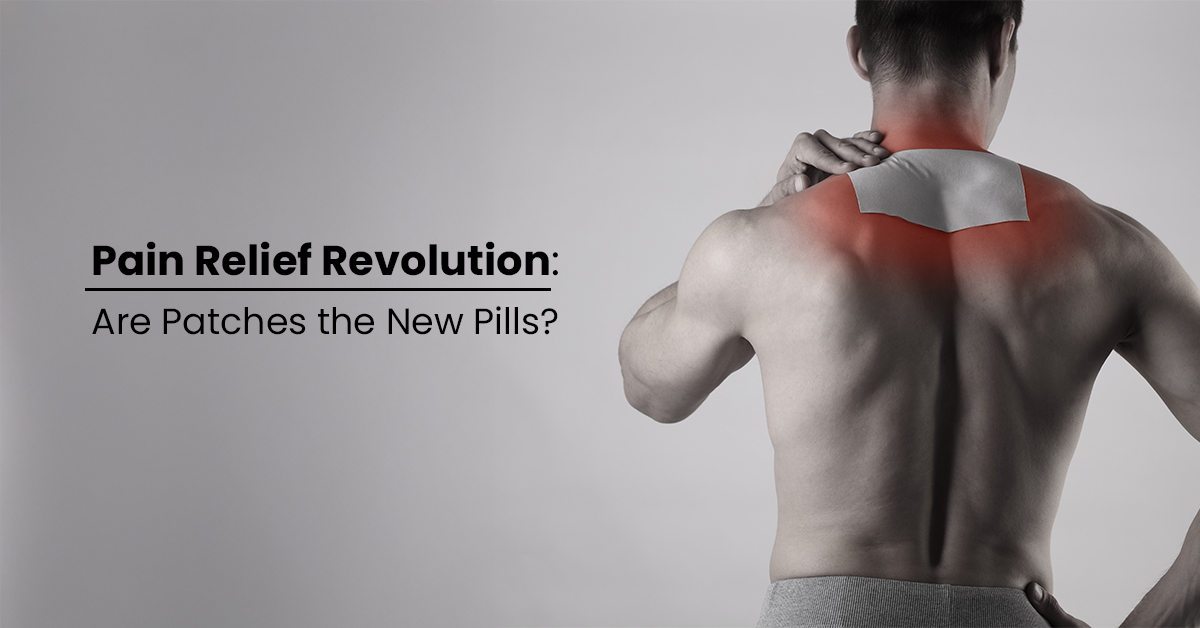
Patches are applied near the area of discomfort, making them suitable for musculoskeletal and inflammatory pain affecting the back, neck, shoulders, or joints.
Reduced Systemic Side Effects
By bypassing the digestive system, pain patches may reduce the risk of stomach irritation and other systemic side effects associated with oral medications.
Convenience and Ease of Use
Pain patches are discreet, non-invasive, and easy to apply, making them suitable for individuals who prefer a pill-free pain management option.
Safety and Usage Overview
General Safety Guidelines
- Apply only to clean, dry, unbroken skin
- Rotate application sites to minimise irritation
- Do not cut or alter the patch
- Remove the patch if severe skin reactions occur
When to Seek Medical Advice
- Persistent skin irritation or allergic reactions
- Dizziness, palpitations, or unusual symptoms
- Uncontrolled or worsening pain
Disclaimer: This content is for informational purposes only and does not replace professional medical advice.
Common User Questions About Pain Relief Patches
Are pain relief patches safe for daily use?
When used as directed, transdermal pain patches are generally well tolerated. Duration and frequency of use should follow healthcare guidance.
How long does a pain relief patch last?
Depending on formulation, pain patches may provide relief for 8 to 72 hours. Always follow product instructions.
Can pain patches replace oral pain medication?
Pain patches may reduce reliance on oral medicines for some individuals, but they should be used as part of a broader pain management plan.
FAQs
1. Do transdermal pain patches work for chronic pain?
They can support chronic pain management by providing steady medication delivery when used consistently.
2. Are pain patches suitable for older adults?
They may be suitable, especially for those who have difficulty swallowing tablets, but medical advice is recommended.
3. Can I shower while wearing a pain patch?
Many patches are water-resistant, but specific instructions should be followed.
4. Do pain patches cause skin irritation?
Mild redness may occur. Rotating sites usually reduces irritation.
Key Takeaways
- Smart pain relief patches use transdermal technology
- They provide steady, targeted pain control
- Reduced systemic exposure improves tolerability
- Easy application supports better adherence
- Suitable for acute and chronic pain management
Conclusion
In 2026, smart pain relief patches play an increasingly important role in modern pain management by offering controlled, consistent relief through transdermal delivery. Their non-invasive nature, ease of use, and steady medication release make them a valuable option for individuals seeking effective pain control without frequent oral dosing.
PatchMantra's Diclofenac transdermal patches are designed to support sustained pain management using advanced patch technology. When used correctly and as part of a structured pain care plan, patch-based therapy can contribute to improved comfort, adherence, and quality of life.