Table of Contents
More from Blog

07 Aug, 2026

30 Jul, 2026

22 Jul, 2026
15 Jul, 2026

25 Jun, 2026

15 Jun, 2026

08 Jun, 2026
01 Jun, 2026
30 Apr, 2026

25 Apr, 2026

20 Apr, 2026

26 Mar, 2026

22 Mar, 2026

18 Mar, 2026
14 Mar, 2026
15 Feb, 2026

05 Feb, 2026

28 Jan, 2026
20 Jan, 2026

24 Dec, 2025
16 Dec, 2025
26 Nov, 2025
14 Nov, 2025

24 Sep, 2025

21 Sep, 2025

16 Sep, 2025
Nicotine Patch Strength Guide: 7mg vs 14mg vs 21mg (Which One Is Right?)
15 Apr, 2026
6 Minutes to read
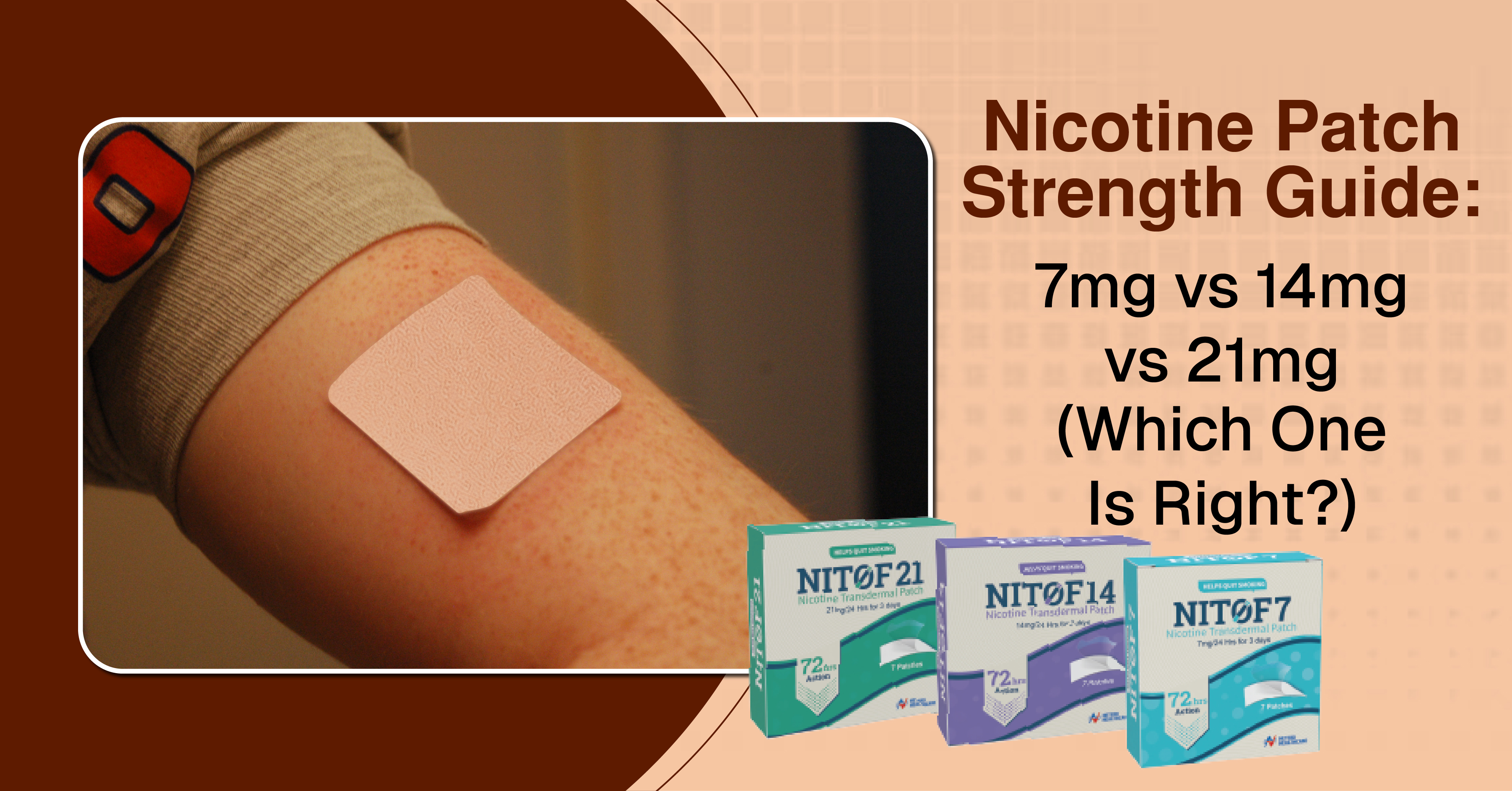
Nicotine patches are available in 7mg, 14mg, and 21mg strengths, and the correct choice usually depends on how many cigarettes you smoke each day. Heavy smokers typically start with a 21mg patch, moderate smokers may use 14mg, and lighter smokers or those in the final stage of quitting often use 7mg patches.
What Are Nicotine Patches and How Do They Work?
Nicotine patches are part of Nicotine Replacement Therapy (NRT), designed to help people quit smoking by delivering a controlled amount of nicotine through the skin.
Instead of inhaling nicotine through cigarettes, the patch slowly releases nicotine into the bloodstream over 24 hours, helping reduce cravings and withdrawal symptoms.
Benefits of nicotine patches include:
- Gradual nicotine delivery throughout the day
- Reduced withdrawal symptoms
- Lower risk compared with smoking
- Simple once-daily application
Nicotine patches are commonly used as part of a step-down quitting programme, where the nicotine dose is gradually reduced over time.
Understanding Nicotine Patch Strengths
Nicotine patches are typically available in three strengths:
- 21mg patch -highest dose
- 14mg patch -medium dose
- 7mg patch -lowest dose
Each strength is designed to match different levels of nicotine dependence.
These patches are usually used in a step-down approach, gradually reducing nicotine intake to help the body adapt and eventually become nicotine-free.
21mg Nicotine Patch - For Heavy Smokers
The 21mg nicotine patch is generally recommended for people who smoke more than 10 cigarettes per day.
This higher dose helps control strong cravings during the early stages of quitting.
When the 21mg patch may be appropriate:
- Smoking a pack or more daily
- Experiencing strong nicotine cravings
- Starting a structured smoking cessation programme
Typical usage
Many quitting programmes suggest using the 21mg patch for the first 4-6 weeks, then gradually reducing the dose to 14mg and later 7mg.
This gradual reduction allows the body to adjust while maintaining craving control.
14mg Nicotine Patch - For Moderate Smokers
The 14mg nicotine patch is often used by individuals who smoke fewer than 10 cigarettes per day, or as the second step after using the 21mg patch.
This dose provides moderate nicotine replacement and helps continue the transition away from cigarettes.
Suitable for:
- Moderate smokers
- People stepping down from 21mg patches
- Individuals experiencing reduced cravings
Typical duration
The 14mg patch is commonly used for 2-4 weeks during the quitting process before switching to a lower dose.
7mg Nicotine Patch - Final Step in Quitting
The 7mg nicotine patch is the lowest available strength and is typically used in the final stage of nicotine replacement therapy.
At this stage, the body has already adjusted to lower nicotine levels.
Best suited for:
- Light smokers
- Final phase of quitting
- Individuals tapering off nicotine
Using a 7mg patch helps prevent withdrawal symptoms while allowing the body to become fully nicotine-free.
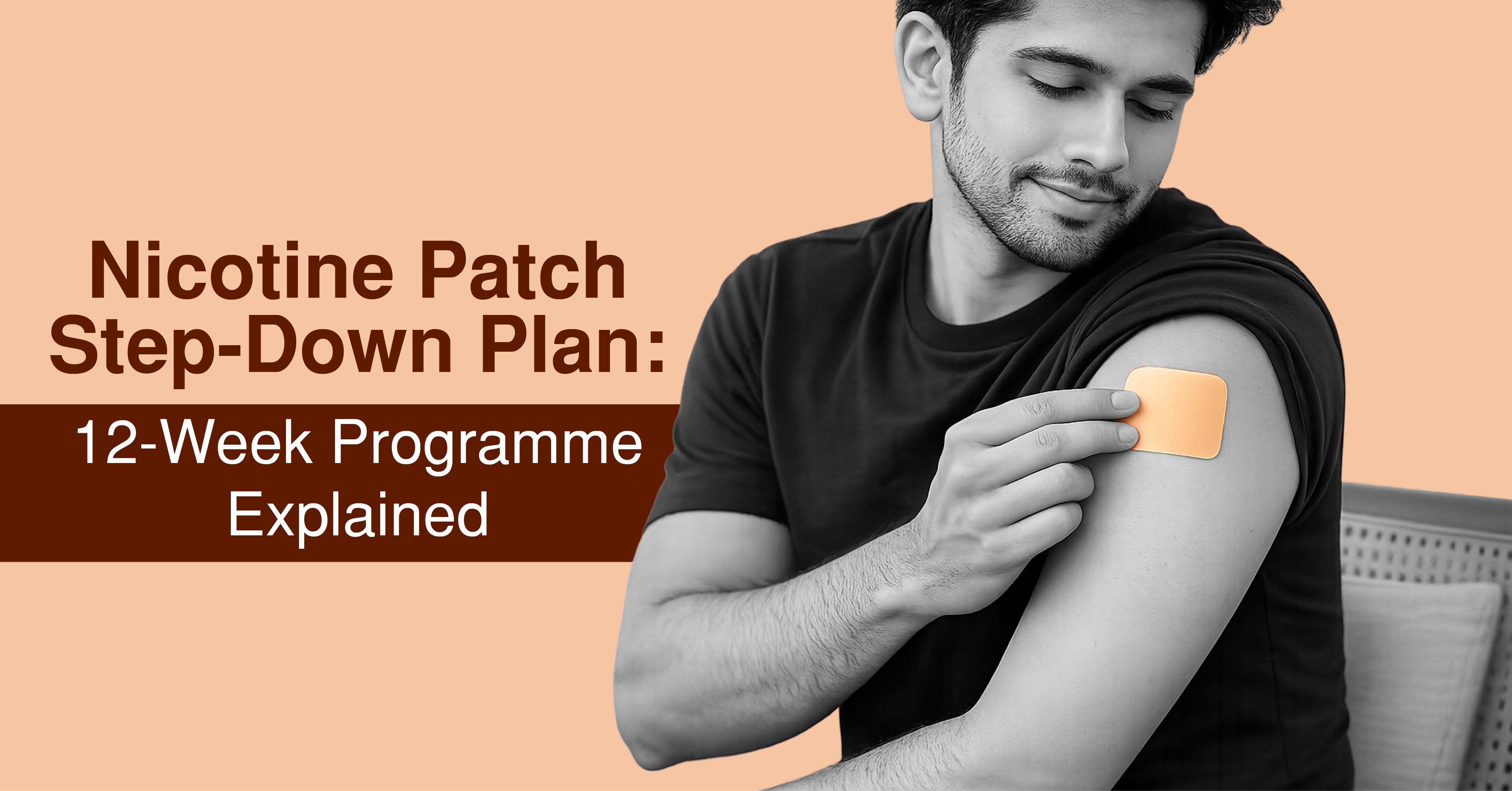
Typical Nicotine Patch Step-Down Plan
A common nicotine patch programme lasts around 8-12 weeks and gradually reduces nicotine levels.
Example step-down plan:
| Weeks | Patch Strength |
|---|---|
| Weeks 1-4 | 21mg |
| Weeks 5-8 | 14mg |
| Weeks 9-12 | 7mg |
This gradual reduction improves the chances of quitting successfully by preventing sudden nicotine withdrawal.
Factors That Determine the Right Patch Strength
Choosing the right nicotine patch strength depends on several factors.
Daily smoking habits
The number of cigarettes smoked per day is the main factor in selecting the starting dose.
Nicotine dependence level
People with strong cravings may require higher doses initially.
Withdrawal symptoms
If cravings remain strong, healthcare professionals may adjust the dosage.
Previous quit attempts
Individuals who have tried quitting before may benefit from tailored nicotine replacement strategies.
Consulting a healthcare professional can help determine the most suitable patch strength.
Tips for Using Nicotine Patches Effectively
To maximise the effectiveness of nicotine patches, follow these practical tips:
- Apply the patch to clean, dry skin on the upper arm or torso
- Change the application site daily to prevent skin irritation
- Apply a new patch every 24 hours
- Avoid smoking while using nicotine patches
Nicotine patches begin releasing nicotine within a few hours and provide steady support throughout the day.
Possible Side Effects of Nicotine Patches
Although generally safe, nicotine patches may cause mild side effects in some individuals.
Common side effects include:
- Skin irritation at the application site
- Headache
- Nausea
- Sleep disturbances or vivid dreams
If severe symptoms occur, medical advice should be sought.
Key Takeaways
- Nicotine patches help manage cravings during smoking cessation
- The three main strengths are 21mg, 14mg, and 7mg
- Heavy smokers typically start with 21mg patches
- Moderate smokers often use 14mg patches
- The 7mg patch is usually the final step in quitting
- Gradual dose reduction improves success rates
Frequently Asked Questions
1. Which nicotine patch strength should I start with?The starting strength usually depends on your daily cigarette consumption. Heavy smokers often start with 21mg patches, while moderate smokers may begin with 14mg patches.
2. Can I switch from 21mg to 7mg directly?It is usually recommended to reduce nicotine gradually by stepping down from 21mg to 14mg before moving to 7mg.
3. How long should I use nicotine patches?Most nicotine patch programmes last 8-12 weeks, gradually reducing the dose to help the body adapt.
4. Can nicotine patches cause side effects?Some people may experience mild skin irritation, headaches, or sleep disturbances, but these effects are usually temporary.
5. Do nicotine patches completely stop cravings?Nicotine patches reduce cravings significantly but may not eliminate them entirely. Combining patches with behavioural support often improves success rates.
Conclusion
Nicotine patches are an effective tool for individuals trying to quit smoking. Choosing the correct patch strength-whether 7mg, 14mg, or 21mg-depends largely on smoking habits and nicotine dependence levels. A gradual step-down approach helps the body adapt to lower nicotine levels while reducing withdrawal symptoms.
Products such as Nitof Nicotine Patches provide controlled nicotine delivery to help manage cravings during the quitting process. When used as part of a structured cessation plan and healthy lifestyle changes, nicotine patches can support individuals in their journey toward becoming smoke-free.