Table of Contents
More from Blog
07 Aug, 2026
30 Jul, 2026

22 Jul, 2026
15 Jul, 2026
25 Jun, 2026
15 Jun, 2026

08 Jun, 2026
01 Jun, 2026
30 Apr, 2026

25 Apr, 2026

20 Apr, 2026
15 Apr, 2026

26 Mar, 2026

22 Mar, 2026
18 Mar, 2026
14 Mar, 2026
15 Feb, 2026

05 Feb, 2026
28 Jan, 2026
20 Jan, 2026
24 Dec, 2025
16 Dec, 2025
14 Nov, 2025
24 Sep, 2025
21 Sep, 2025
16 Sep, 2025
Understanding Nicotine: 5 Things Every Smoker Should Know
26 Nov, 2025
4 Minutes to read
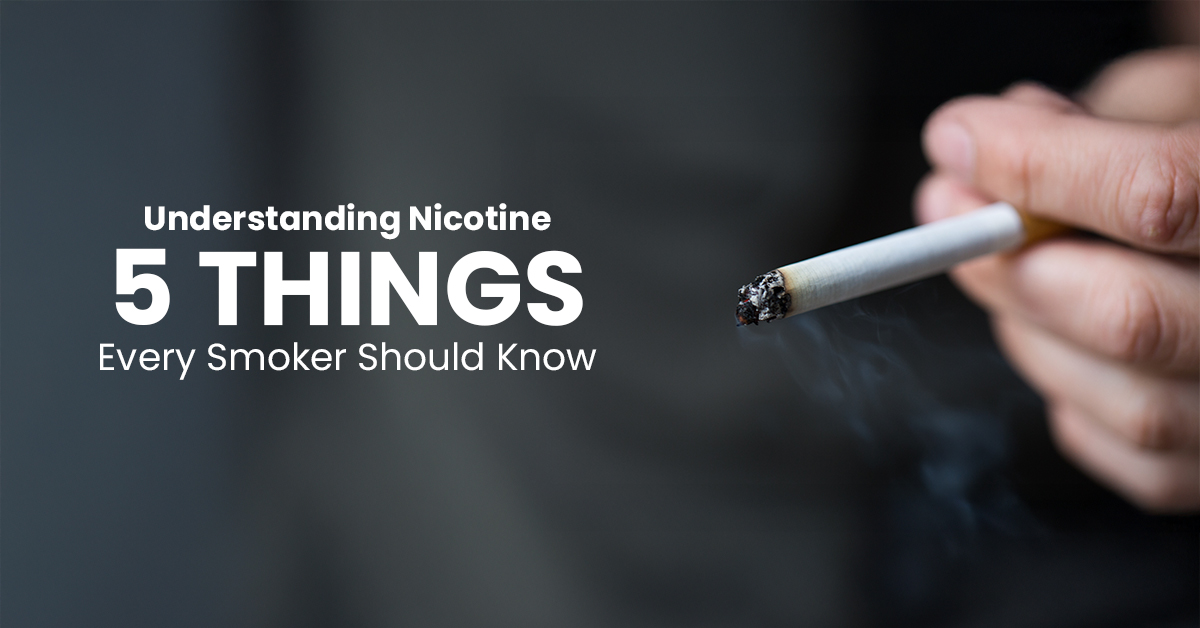
Smoking feels comfortable, a quick stressbuster, or a daily ritual. But most people don't realize how nicotine, the main ingredient in cigarettes, affects the body and mind. Here are five things every smoker should know, explained simply.
1. Nicotine Is Highly Addictive
Nicotine is more than just a habit; it's a powerful drug that creates physical and psychological dependence. Studies show that about 61% of smokers experience withdrawal symptoms when they try to quit, including cravings, irritability, and anxiety.
Example: Imagine trying to stop drinking tea or coffee after years of daily consumption. The first few days would be tough, right? Now, think of nicotine as that daily habit, only much stronger.
2. Nicotine Affects Your Whole Body
It's not just your lungs that pay the price. Nicotine triggers adrenaline release, raising your heart rate, blood pressure, and blood sugar. Over time, this strain affects your heart, blood vessels, immune system, and metabolism.
The World Health Organization (WHO) reports that nearly 1 in 5 adults globally still use tobacco or nicotine, and many face cardiovascular and metabolic complications linked to long-term exposure.
Example: Think of your body as a car. Nicotine is like driving too fast all the time. Eventually, the engine (heart) and brakes (blood vessels) get worn out.
3. Cravings Are Normal, but Manageable
When you try to quit, cravings can feel overwhelming. But here's the good news: Nicotine withdrawal symptoms peak in the first 3-5 days and then gradually decrease over time.
A 2023 Nicotine & Tobacco Research study showed that cravings are not constant,they occur in waves and are triggered by emotions, stress, or certain environments.
Example: It's like waiting for a train at the station; it feels long at first, but eventually, it arrives. Staying busy, drinking water, or chewing gum can help you ride out cravings.
4. Nicotine Patches Can Be a Game-Changer
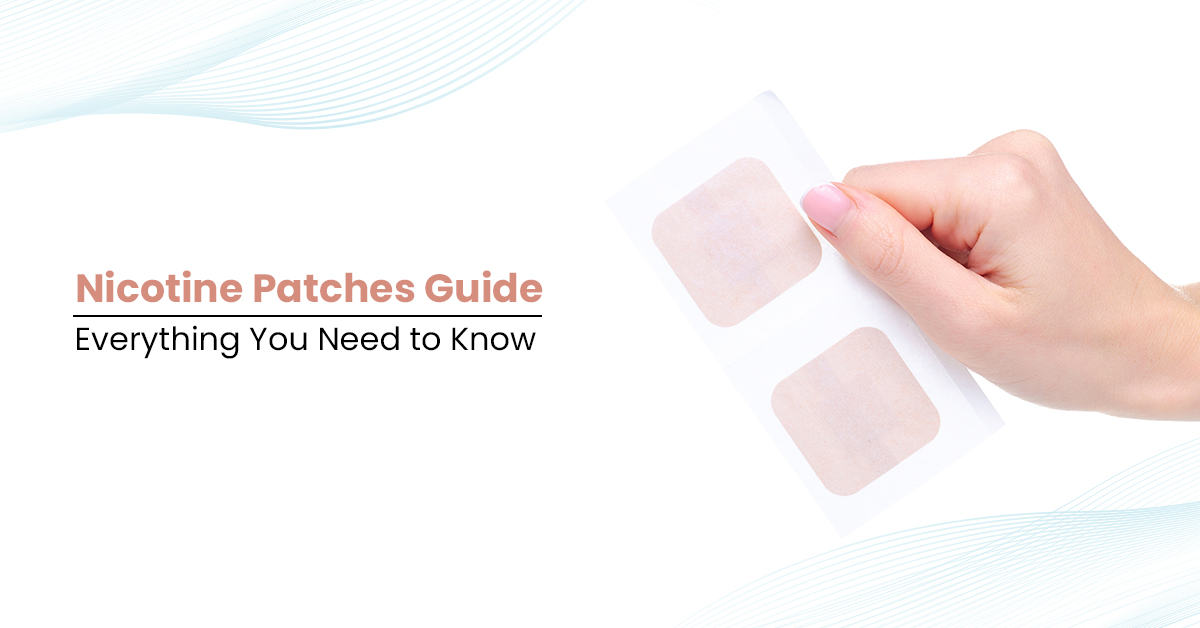
Nicotine patches are powerful tools to fight cravings. They release a steady, controlled dose of nicotine through your skin, helping your body adjust gradually and reducing withdrawal symptoms, without the smoke.
A 2023 Oxford University meta-analysis confirmed that nicotine replacement therapies (NRTs) such as patches significantly improve long-term quit rates?.
Example: Imagine crossing a river. Jumping straight in is hard, but a bridge makes it safe. Nicotine patches are like that bridge to a smoke-free life.
Tip: Apply the patch to clean, dry, hair-free skin. Change the spot daily and never reuse the same area within a week.
5. Support Makes Quitting Easier
Quitting smoking can be challenging, but having support can make the journey smoother. Talking to your doctor, or connecting with people who have successfully quit can give you guidance, encouragement, and helpful tips.
Support helps you stay motivated, manage your cravings, and keep going even when it feels difficult. Remember, you don't have to quit alone, help is available and using it increases your chances of success.
Example: It's like climbing a mountain, having a guide or climbing partner makes the journey easier and less scary.
Takeaway
Nicotine is a powerful substance but understanding it is the first step toward taking control of your health. By recognizing how it affects your body, learning to manage cravings, and using safe tools like nicotine patches, you can move steadily toward a smoke-free life.
Remember, quitting is a journey, every step, no matter how small, is progress. With the right knowledge, support, and strategies, you can reduce health risks, improve your well-being, and regain freedom from nicotine.
For more insights on nicotine patches, explore PatchMantra.
References
- U.S. Department of Health and Human Services. The Health Consequences of Smoking-;50 Years of Progress: A Report of the Surgeon General. Atlanta, GA: CDC; 2014.
- Benowitz NL. Nicotine Addiction. New England Journal of Medicine. 2010;362(24):2295-2303.
- World Health Organization (WHO). WHO Tobacco Trends Report: 1 in 5 Adults Still Addicted to Tobacco. Geneva: WHO; 2025.
- Hughes JR. Effects of Abstinence From Tobacco: Valid Symptoms and Time Course. Nicotine & Tobacco Research. 2007;9(3):315-327.
- Conklin CA, et al. Network Analysis of Cigarette Craving in Smokers. Nicotine & Tobacco Research. 2023;25(6):1155-1163.
- Lindson N, et Pharmacological and Electronic Cigarette Interventions for Smoking Cessation in Adults: Cochrane Meta-Analysis. University of Oxford. 2023.