Table of Contents
More from Blog

07 Aug, 2026

30 Jul, 2026

22 Jul, 2026

15 Jul, 2026

25 Jun, 2026

15 Jun, 2026

08 Jun, 2026
01 Jun, 2026
30 Apr, 2026

25 Apr, 2026

20 Apr, 2026
15 Apr, 2026

26 Mar, 2026

22 Mar, 2026

18 Mar, 2026

15 Feb, 2026

05 Feb, 2026

28 Jan, 2026

20 Jan, 2026

24 Dec, 2025
16 Dec, 2025
26 Nov, 2025
14 Nov, 2025

24 Sep, 2025

21 Sep, 2025

16 Sep, 2025
Nicotine Patch Not Working? 7 Common Mistakes Smokers Make
14 Mar, 2026
6 Minutes to read
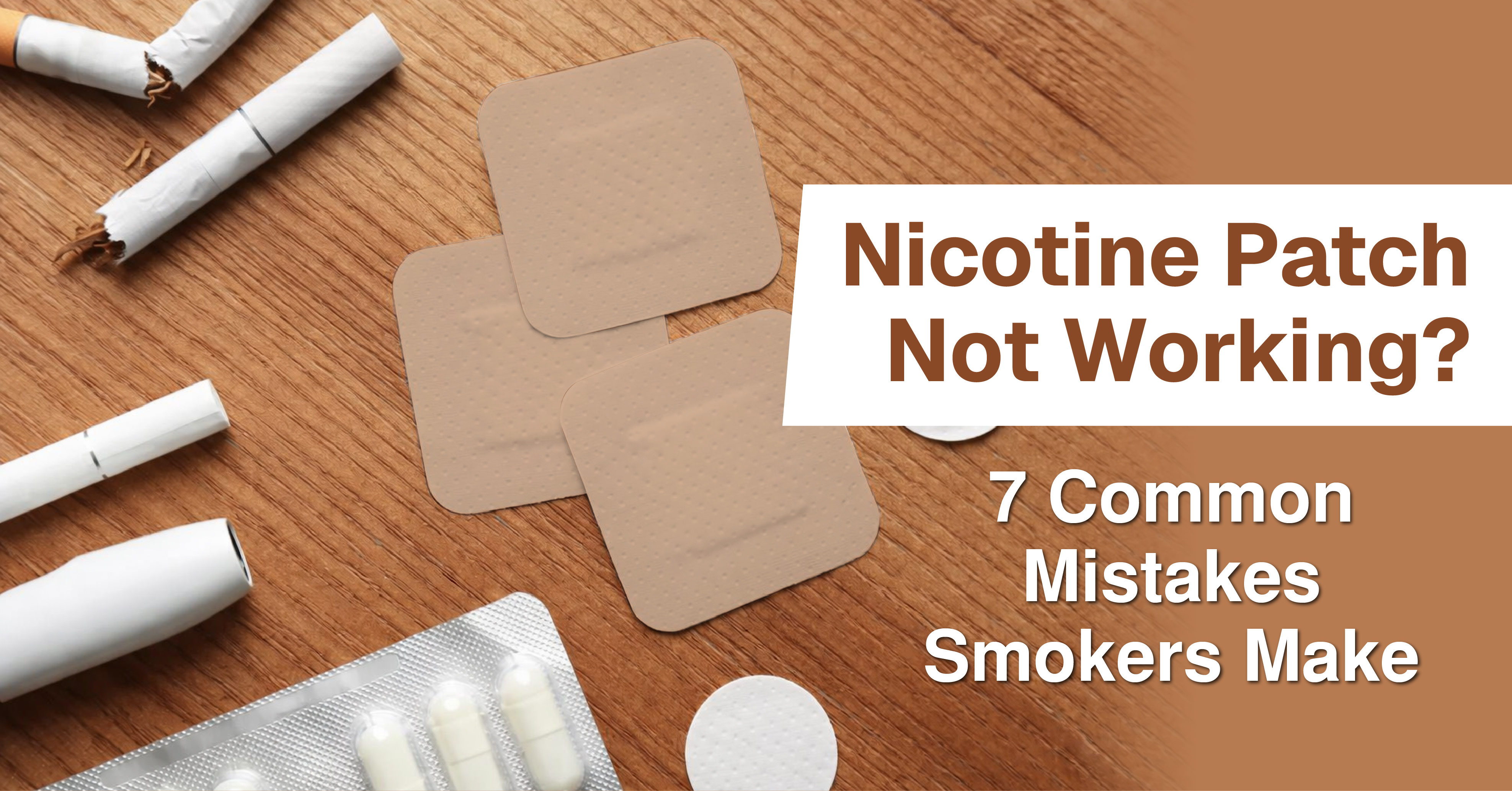
If your nicotine patch is not working, the most common reasons are incorrect usage, inconsistent application, wrong dosage, or continuing smoking alongside the patch. When used correctly, nicotine patches are proven to reduce withdrawal symptoms and improve quit success rates.
Introduction
Nicotine replacement therapy (NRT) remains one of the most widely recommended tools for smoking cessation. Among all NRT options, nicotine patches are popular due to their convenience and steady nicotine delivery.
However, many smokers report frustration, asking: "Why is my nicotine patch not working?" In most cases, the issue lies not with the patch itself, but with how it is used.
This evidence-based guide explores the science behind nicotine patches, common user errors, and practical troubleshooting tips to help improve outcomes.
Disease Overview - Nicotine Dependence
Understanding Nicotine Addiction
Nicotine dependence is a chronic condition caused by repeated exposure to nicotine, a psychoactive alkaloid found in tobacco. It alters brain chemistry by stimulating dopamine release, reinforcing smoking behaviour.
Common Symptoms of Nicotine Withdrawal
When nicotine intake stops, users may experience:
- Strong cravings
- Irritability and anxiety
- Difficulty concentrating
- Sleep disturbances
- Increased appetite
These symptoms often peak within the first week of quitting-precisely when nicotine patches are intended to help.
Treatment Overview - Where Nicotine Patches Fit In
Smoking cessation typically involves a combination of:
- Behavioural counselling
- Pharmacotherapy
- Lifestyle modification
Role of Nicotine Replacement Therapy (NRT)
Nicotine patches are a first-line NRT option, recommended by public health authorities because they:
- Deliver nicotine steadily over 16-24 hours
- Reduce withdrawal symptoms
- Lower relapse risk when used correctly
They are often combined with short-acting NRTs (gum or lozenges) for breakthrough cravings.
How Nicotine Patches Work (Mechanism of Action)
High-Level, Non-Clinical Explanation
Nicotine patches work by releasing a controlled dose of nicotine through the skin into the bloodstream. This maintains stable nicotine levels, preventing sharp drops that trigger cravings-without exposing the body to harmful combustion products found in cigarettes.
Nicotine Patch Not Working? 7 Common Mistakes Smokers Make
1. Choosing the Wrong Nicotine Strength
Using a patch with insufficient nicotine can lead to persistent cravings.
Key Point: Heavy smokers often require higher-dose patches initially, followed by gradual tapering.
2. Inconsistent Daily Use
Skipping days or removing the patch early disrupts nicotine levels, reducing effectiveness.
Correct way to use nicotine patch: Apply one patch every day at the same time.
3. Applying the Patch Incorrectly
Placing the patch on irritated, hairy, or broken skin reduces absorption.
Best practice:
- Apply to clean, dry, hairless skin
- Rotate application sites daily
4. Continuing to Smoke While Using the Patch
Smoking while on a patch can:
- Maintain psychological dependence
- Increase side-effect risk
- Reduce quitting success
Nicotine patches are designed to replace, not supplement, smoking.
5. Removing the Patch Too Soon
Many users stop prematurely when cravings persist-often during the first week.
Reality: Withdrawal symptoms take time to stabilise; consistent use is essential.
6. Ignoring Breakthrough Cravings
Patches provide baseline nicotine but may not control sudden urges.
Solution: Combination therapy using gum or lozenges is often more effective.
7. Lack of Behavioural Support
Nicotine addiction is both physical and psychological.
Without habit change or counselling, relapse risk remains high-even with proper patch use.
Common User Questions About Nicotine Patch Effectiveness
How long does it take for a nicotine patch to work?
Nicotine patches start releasing nicotine within 30-60 minutes. Symptom relief improves over several days as blood nicotine levels stabilise.
Why do I still crave cigarettes on a nicotine patch?
Cravings may persist due to:
- Incorrect dosage
- Habit-related triggers
- Stress or emotional cues
This does not mean the patch has failed.
Are nicotine patches safe for long-term use?
When used as directed, nicotine patches are considered safe for short- to medium-term use. They do not expose users to tar or carbon monoxide.
Safety and Usage Overview
Important Usage Guidelines
- Follow labelled dosing instructions
- Do not cut patches
- Avoid applying heat over the patch
- Remove before MRI scans
When to Seek Medical Advice
- Severe skin reactions
- Palpitations or dizziness
- Persistent sleep disturbances
Disclaimer: This content is informational only and does not replace professional medical advice.
FAQs
1. Why is my nicotine patch not working even after a week?
Most failures occur due to under-dosing, inconsistent use, or continued smoking. Effectiveness improves when the correct strength is used daily and combined with behavioural support.
2. Can I use nicotine gum with a nicotine patch?
Yes. Combination NRT is commonly recommended to manage sudden cravings while maintaining baseline nicotine levels.
3. Is it normal to feel tired or dizzy on a nicotine patch?
Mild side effects can occur initially and usually resolve. Persistent symptoms require medical consultation.
4. How long should I use a nicotine patch?
Typical treatment lasts 8-12 weeks, gradually reducing dose. Duration may vary based on individual dependence.
5. Do nicotine patches work for everyone?
Effectiveness varies. Success rates improve significantly when patches are used correctly alongside counselling.
Key Takeaways - Why Nicotine Patches Fail
- Incorrect dosage is the most common issue
- Consistency is critical for success
- Behavioural triggers must be addressed
- Combination therapy improves outcomes
- Patches reduce harm but require commitment
Conclusion
If your nicotine patch is not working, it is often due to avoidable usage mistakes rather than the therapy itself. Using the correct strength, applying the patch properly, and staying consistent can significantly improve nicotine patch effectiveness and support long-term smoking cessation.
PatchMantra offers clinically formulated nicotine patches designed to deliver controlled nicotine release and help manage withdrawal symptoms effectively. When used as directed and combined with behavioural support, nicotine patches can play a valuable role in a structured quit-smoking plan.
To explore nicotine patch options and learn how to use them correctly, visit PatchMantra and take a confident step towards reducing nicotine dependence safely.