Table of Contents
More from Blog

07 Aug, 2026
30 Jul, 2026

22 Jul, 2026
15 Jul, 2026
25 Jun, 2026
15 Jun, 2026

08 Jun, 2026
01 Jun, 2026
30 Apr, 2026

25 Apr, 2026

20 Apr, 2026
15 Apr, 2026
26 Mar, 2026

22 Mar, 2026

18 Mar, 2026
14 Mar, 2026
15 Feb, 2026
28 Jan, 2026
20 Jan, 2026
24 Dec, 2025
16 Dec, 2025
26 Nov, 2025
14 Nov, 2025

24 Sep, 2025
21 Sep, 2025

16 Sep, 2025
Busy Lifestyle Health Hacks: How Transdermal Patches Fit Into Modern Routines
05 Feb, 2026
4 Minutes to read

Managing health in a fast-paced world can be challenging. For those balancing work, family, and personal life, traditional medication schedules may feel cumbersome. Transdermal patches offer a practical solution, delivering active compounds steadily through the skin. They include nicotine patches for smoking cessation, rivastigmine for cognitive support, and pain-relief options like diclofenac or ketoprofen patches, making health routines simpler and more consistent.
This article explains how these patches work, their benefits, safety considerations, and answers common questions-perfect for integrating health solutions into a busy lifestyle.
Understanding Modern Health Challenges
Busy lifestyles increase the risk of:
- Chronic pain or inflammation
- Stress and fatigue
- Sleep disturbances
- Smoking-related health issues
Causes and Symptoms
- Causes: Irregular schedules, work stress, lack of exercise, poor diet, or nicotine dependence.
- Symptoms: Muscle or joint pain, headaches, low energy, difficulty concentrating, or cravings for nicotine.
- Impact: Untreated issues may reduce productivity and long-term wellness, making consistent health management essential.
Treatment Overview: Where Transdermal Patches Fit In
Transdermal patches are part of non-oral therapies that support busy lifestyles. Common examples include:
- Nicotine patches: Aid smoking cessation by delivering steady nicotine doses, reducing withdrawal symptoms.
- Rivastigmine patches: Support memory and cognitive function in patients with mild to moderate dementia.
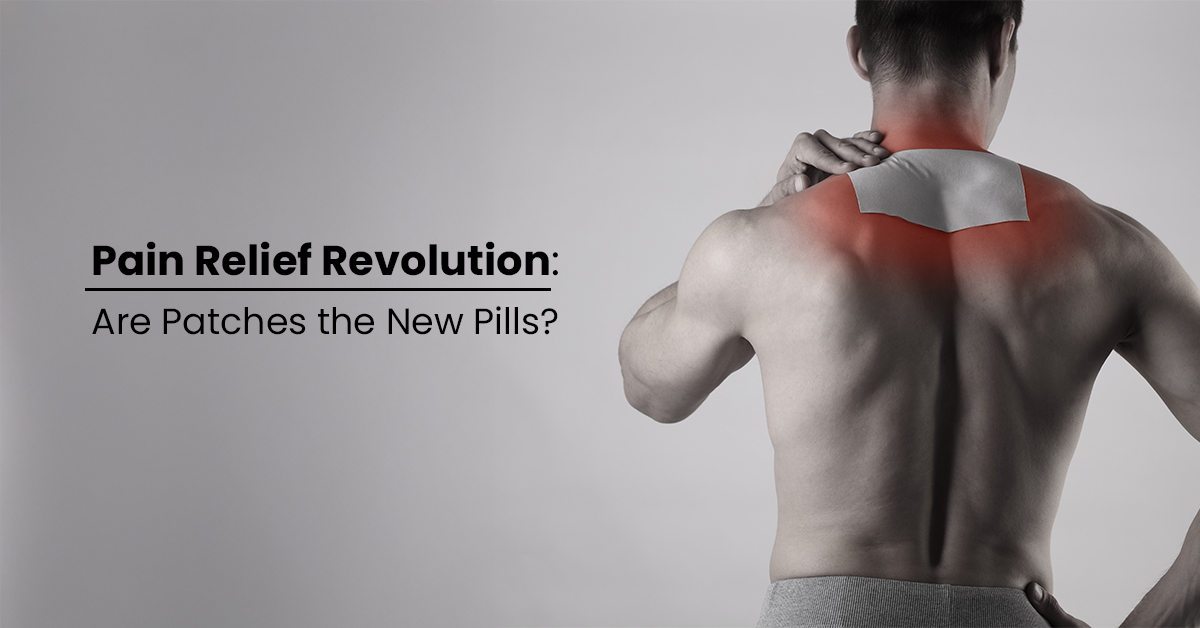
- Diclofenac patches: Provide localized pain relief for joint or muscle discomfort.
- Ketoprofen patches: Offer anti-inflammatory support for musculoskeletal pain.
Advantages over oral medications:
- Steady absorption for consistent effect
- Reduced gastrointestinal side effects
- Convenient, discreet, and portable
How Transdermal Patches Work
Mechanism of Action (Non-Clinical Overview)
- Nicotine patches: Nicotine diffuses slowly through the skin to reduce cravings and withdrawal symptoms.
- Rivastigmine patches: Gradual absorption helps maintain stable drug levels, supporting cognitive function.
- Diclofenac patches: Deliver anti-inflammatory medication directly to affected joints or muscles, helping relieve localized pain while minimising systemic exposure.
- Ketoprofen patches: Provide targeted anti-inflammatory effects to inflamed tissues, reducing discomfort and the risk of systemic side effects.
General benefits:
- Controlled, sustained release
- Ease of use for individuals with busy schedules
- Reduced risk of missed doses
Common User Questions About Transdermal Patches
Are patches effective for busy individuals?
Yes. Patches like nicotine or diclofenac ensure steady delivery of active compounds, supporting adherence without frequent dosing.
How long should a patch be worn?
Duration varies:
- Nicotine: 16-24 hours depending on brand
- Rivastigmine: 24 hours
- Diclofenac/Ketoprofen: 12-24 hours per instructions
Are there safety concerns?
Generally safe when used as directed. Mild skin irritation may occur. Avoid damaged or inflamed skin and consult a healthcare professional if unsure.
Can patches be combined with other treatments?
Yes, but always review potential interactions, especially with other systemic medications.
How do I select the right patch?
Consider the health goal, active ingredient, dosage, and verified safety information.
FAQs
Q1: Can nicotine patches replace oral smoking cessation aids?
They can be a suitable alternative or complement to oral medications, supporting steady nicotine delivery and reducing withdrawal symptoms.
Q2: Are pain-relief patches like diclofenac or ketoprofen effective?
Yes. These patches deliver anti-inflammatory medication directly to affected areas, helping manage musculoskeletal or joint pain.
Q3: Can rivastigmine patches improve memory in dementia?
They may help maintain stable drug levels and cognitive function in mild to moderate dementia under medical supervision.
Q4: Are transdermal patches safe for long-term use?
Most users tolerate them well. Mild skin irritation is common; serious side effects are rare when used as directed.
Q5: Can multiple patches be used simultaneously?
Consult a healthcare professional, as combining patches may increase the risk of side effects or drug interactions.
Key Takeaways / Summary
- Transdermal patches provide a convenient, non-invasive solution for modern health management.
- Examples include nicotine, rivastigmine, diclofenac, and ketoprofen patches.
- They deliver controlled, consistent doses, reducing missed doses and improving adherence.
- Suitable for pain relief, cognitive support, or smoking cessation.
- Safe when used correctly, with minimal side effects.
Conclusion
Transdermal patches simplify health management for busy lifestyles by offering steady, controlled delivery of essential compounds. Whether for pain relief, cognitive support, or smoking cessation, they reduce the need for complex schedules and improve adherence.
For more information on modern health solutions, explore related articles on PatchMantra